
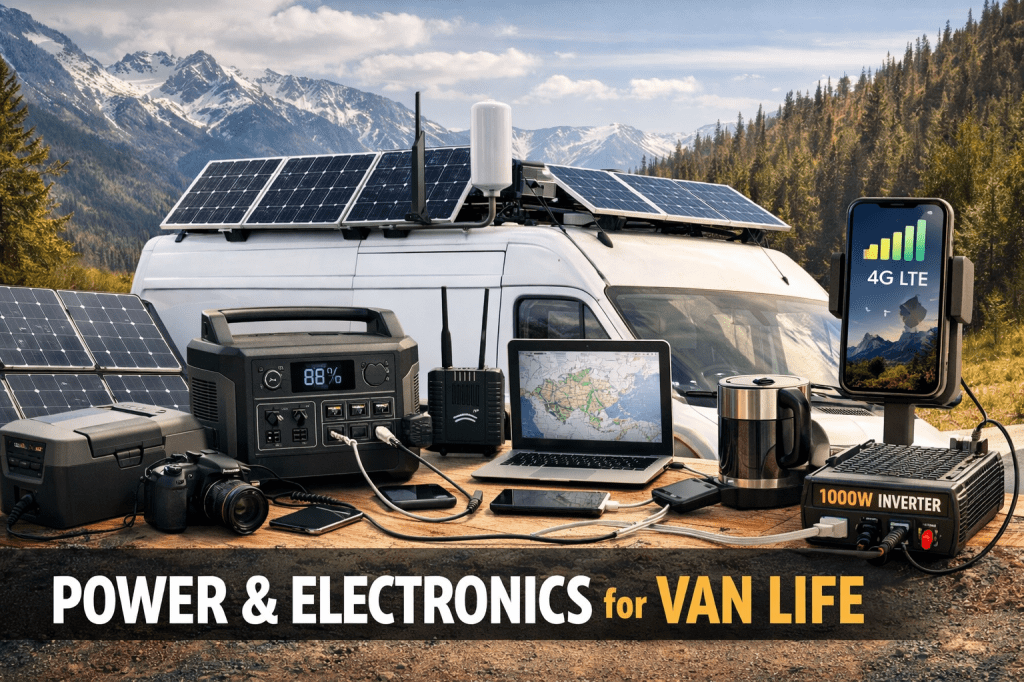
When it comes to van life, power management and electronics are some of the most talked-about — and most critical — topics. Whether you’re working remotely, living off-grid full-time, or heading out on weekend adventures, having a reliable power setup determines how comfortable, functional, and stress-free life on the road will be.
From keeping food cold to staying connected, here’s a breakdown of the essential power and electronics systems every van lifer should understand.
Portable Power Stations (Solar Generators)
Portable power stations — often called solar generators — are one of the easiest ways to get started with van life power. These all-in-one units combine a battery, inverter, and charge controller into a single compact device.
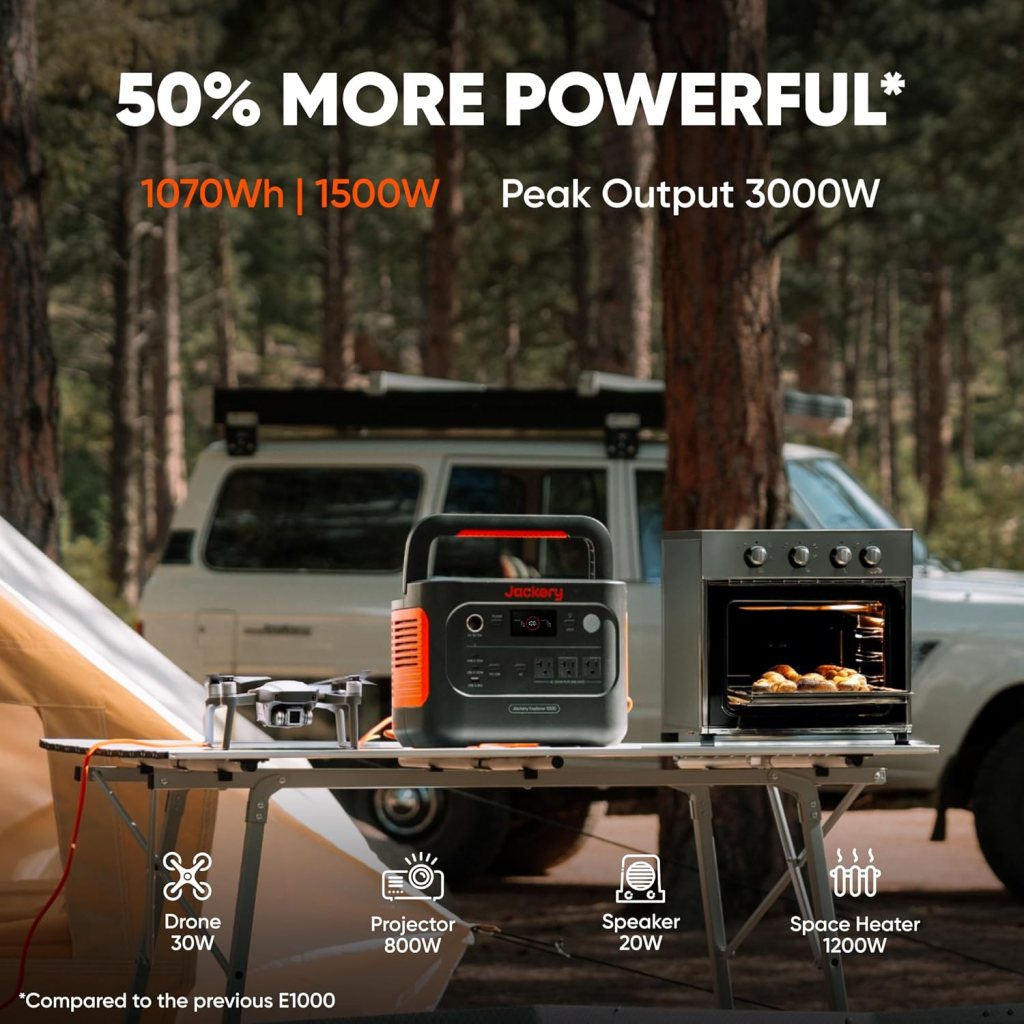
They’re perfect for powering:
- 12V fridges and coolers
- Laptops and tablets
- Phones and cameras
- LED lights
- Small appliances
Most portable power stations can be charged in three ways:
- Solar panels
- Vehicle alternator (while driving)
- Shore power (plugging into an outlet)
For many van lifers, these units offer a plug-and-play solution that eliminates complicated wiring while still delivering dependable energy for everyday needs.
Solar Panels & Battery Systems (True Off-Grid Power)
For extended off-grid living, solar panels paired with battery storage are the gold standard.
Solar panels mounted on the roof (or deployed as portable panels) capture energy from the sun, while deep-cycle batteries store that power for use day and night.
Key benefits include:
- Long-term energy independence
- Quiet, renewable power
- Lower reliance on campsites or generators
Battery options commonly used in vans include:
- AGM batteries (budget-friendly but heavier)
- Lithium (LiFePO₄) batteries (lighter, longer lifespan, more efficient)
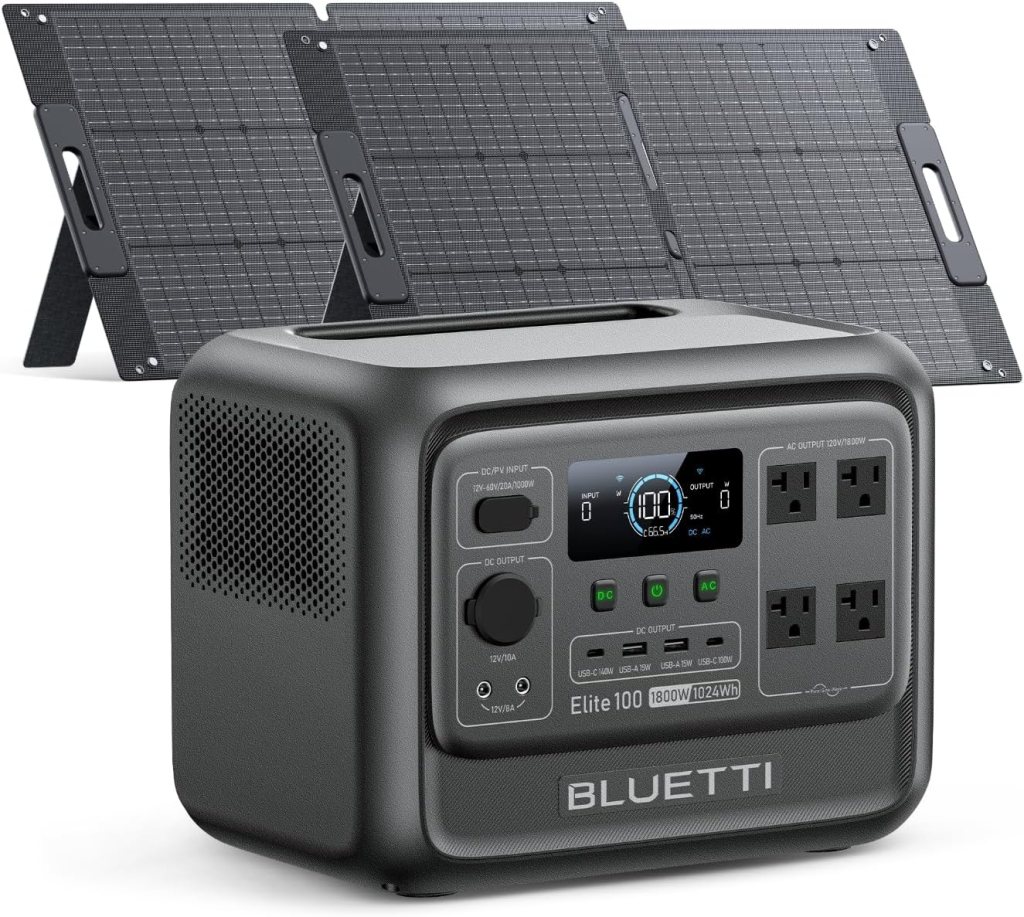
A properly sized solar and battery system allows van lifers to run fridges, fans, lights, and electronics continuously — even while parked far from civilization.
Mobile Wi-Fi & Cell Signal Boosters
Staying connected on the road is essential for remote work, navigation, and safety. Mobile connectivity solutions help overcome weak cell signals and unreliable campground Wi-Fi.
Popular options include:
- Mobile hotspots
- Cell signal boosters (amplify existing signals)
- Dedicated mobile routers with external antennas
These setups allow you to:
- Work remotely from your van
- Stream content
- Make calls in rural areas
- Stay connected in emergencies
For digital nomads and full-time travelers, reliable internet is just as important as electricity itself.

USB Outlets, Multi-Port Chargers & Power Inverters
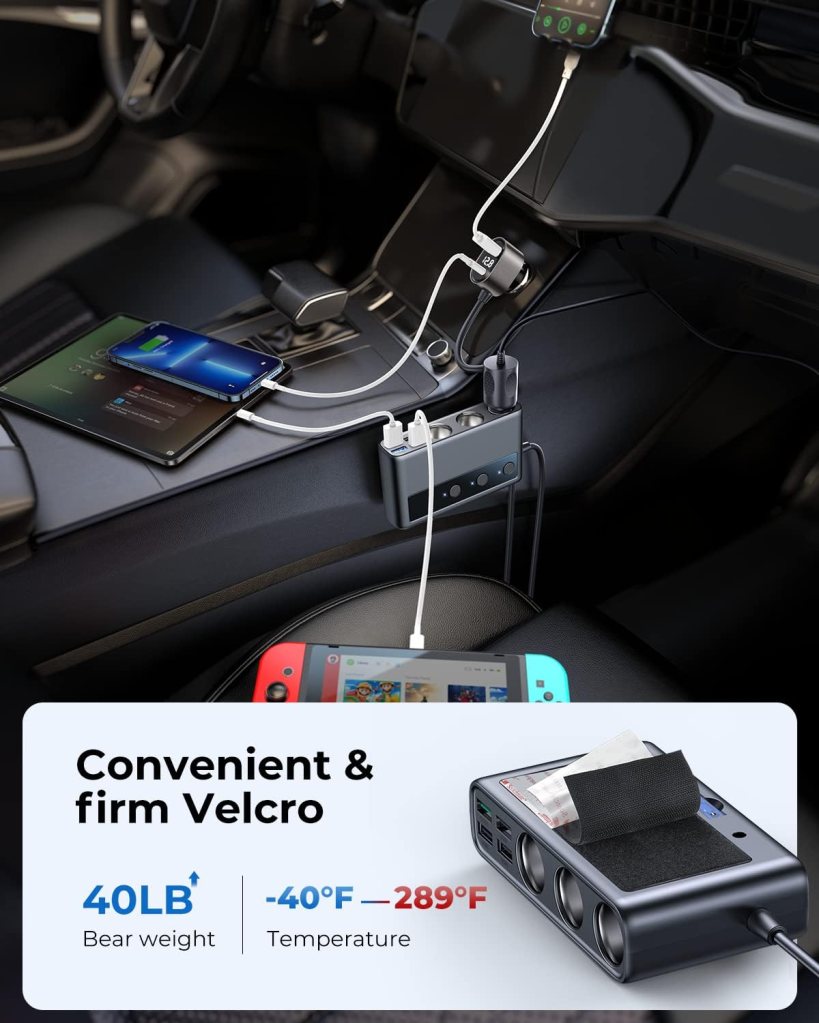
Small power upgrades make a huge difference in daily convenience.
Extra USB outlets and multi-port chargers allow you to:
- Charge multiple devices at once
- Reduce clutter from adapters
- Power devices directly from 12V systems
Power inverters convert DC battery power into standard AC household power, letting you run:
- Laptops
- Kitchen appliances
- Camera chargers
- Small tools
Choosing the right inverter size ensures you have enough power without draining your batteries too quickly.

Final Thoughts
A well-designed power and electronics system transforms a van from a vehicle into a fully functional mobile home. Whether you choose a simple portable power station or a full solar and battery setup, investing in reliable power means more freedom, comfort, and confidence on the road.
In van life, power isn’t just about electricity — it’s about independence.
If you want, I can:
- Optimize this for SEO (keywords + headings)
- Rewrite it for a more adventurous or technical tone
- Add product comparison sections
- Format it for WordPress or Medium
- How to Shower in a Van: 3 Simple Methods That Actually Work
- Efficient Charging: Renogy DC On-Board MPPT Charger Review
- The Best Offline Navigation Apps for Camping, RV Travel, and Off-Grid Adventures (2026 Guide)
- BLUETTI Portable Power Station Apex 300 Review (2025): The Ultimate Camper Van Solar & Alternator Charging Setup
- ⚡ How to install a 24v camper van electrical system (Complete Guide)



 Van Living 101
Leave a Reply