

Heating Your Camper Van: Exploring Diesel, Wood, and Propane Heating Options
Staying warm in your camper van is essential for comfort during cold weather travels. Whether you’re a full-time vanlifer or a weekend adventurer, the right heating system can make all the difference. Diesel heaters, mini wood stoves, Dickinson propane heaters, and propane RV heaters are popular choices, each with unique benefits and considerations.
Here’s a detailed guide to help you decide which heating option is best for your camper van.
1. Diesel Heaters
How They Work
Diesel heaters, such as the Webasto or Espar, use diesel fuel from your vehicle’s tank (or a separate tank) to produce heat. Air is drawn in, heated via a combustion process, and then blown into your living space.
Advantages
- Efficient: Diesel heaters use minimal fuel and electricity, making them cost-effective for long-term use.
- Compact: Their small size and low-profile installation make them ideal for tight spaces.
- Reliable: Diesel heaters perform well in extreme cold and provide consistent heat.
- Programmable: Many models come with timers or thermostats, allowing for easy temperature control.
Considerations
- Installation Complexity: Requires drilling, fuel line connections, and proper venting.
- Cost: Quality diesel heaters range from $800 to $1,500, plus installation expenses.
- Noise: Some users report a slight hum during operation.

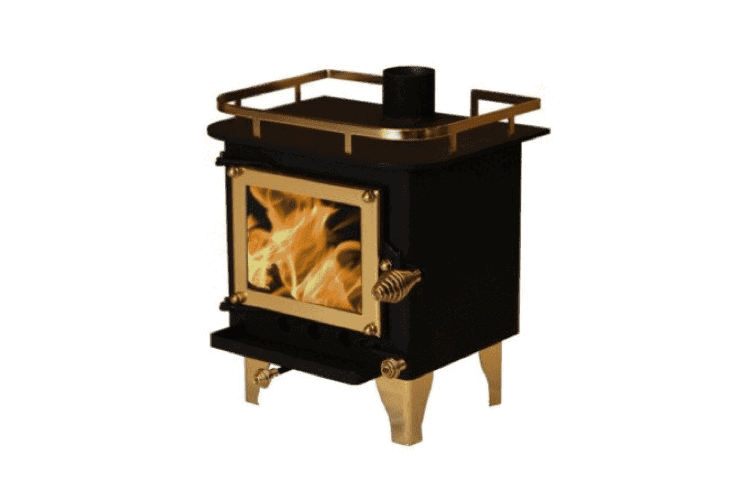
2. Mini Wood Stoves
How They Work
Mini wood stoves burn wood or wood pellets to produce radiant heat. They’re often crafted from cast iron or steel and vented through a chimney pipe.
Advantages
- Aesthetic Appeal: Provides a cozy ambiance with the warmth and crackle of a real fire.
- Off-Grid Ready: No need for electricity or fuel tanks—just firewood.
- Eco-Friendly: Uses renewable fuel sources like wood.
Considerations
- Space Requirements: Requires room for the stove, chimney, and clearance from flammable materials.
- Maintenance: Ash cleanup and regular chimney sweeping are necessary.
- Fuel Storage: You’ll need space to store wood, which can be bulky.
- Safety Concerns: Fire safety is critical, and carbon monoxide detectors are a must.
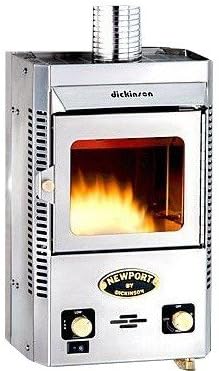
3. Dickinson Propane Heaters
How They Work
Dickinson propane heaters, often used in marine applications, burn propane to produce heat. They feature a built-in chimney for ventilation, ensuring exhaust gases are safely expelled outside.
Advantages
- Efficient Heating: Generates steady, radiant heat for small spaces.
- Compact Design: Wall-mounted, saving valuable floor space in your van.
- Aesthetic Charm: Provides a cozy flame visible through a small window, adding to the atmosphere.
- Low Maintenance: Requires minimal upkeep beyond refueling and occasional cleaning.
Considerations
- Cost: Prices typically range from $600 to $1,000, depending on the model.
- Propane Usage: Regular refills are needed, especially during heavy use.
- Ventilation Needs: Proper installation of the chimney is crucial for safety.
4. Propane RV Heaters
How They Work
Propane RV heaters, like those found in traditional RVs, use propane to heat air that is then distributed via vents or ducts.
Advantages
- Powerful Heating: Designed to heat larger spaces quickly, making them ideal for bigger camper vans.
- Integrated Systems: Can often tie into existing RV propane tanks and ducting.
- Reliable: Operates effectively in various weather conditions.
Considerations
- Fuel Consumption: Propane heaters can use a significant amount of fuel, leading to frequent refills.
- Noise: The fan or blower in some models can be noisy during operation.
- Installation: Requires space for the unit and proper venting for exhaust.
- Cost: Prices vary but generally start at $800 to $2,000 for quality units.

Comparing Heating Options
| Feature | Diesel Heater | Mini Wood Stove | Dickinson Propane Heater | Propane RV Heater |
|---|---|---|---|---|
| Cost | $$–$$$ | $$–$$$ | $$–$$$ | $$–$$$ |
| Ease of Installation | Moderate | Complex | Moderate | Complex |
| Fuel Source | Diesel | Wood | Propane | Propane |
| Efficiency | High | Moderate | High | High |
| Maintenance | Low | High | Low | Moderate |
| Noise | Low | Silent | Low | Moderate |
| Aesthetic | Minimal | Cozy | Charming | Functional |
Safety Tips for Van Heating
- Install Carbon Monoxide Detectors: Always have a detector to alert you to harmful gas buildup.
- Ensure Proper Ventilation: Vent exhaust gases safely outside to avoid indoor air quality issues.
- Use Fire Extinguishers: Have a fire extinguisher within reach, especially if using open flames.
- Monitor Fuel Levels: Regularly check diesel, propane, or wood supplies to avoid running out during cold weather.
- Routine Maintenance: Clean and inspect your heating system regularly to ensure safe and efficient operation.
Which Heating Option Is Right for You?
Choosing the right heater depends on your budget, van size, lifestyle, and personal preferences.
- For Efficient, Hassle-Free Heating: A diesel heater is ideal for reliable, low-maintenance warmth.
- For a Cozy, Rustic Feel: A mini wood stove adds charm and independence from electricity.
- For Compact, Radiant Heat: A Dickinson propane heater offers efficiency and a touch of style.
- For Larger Vans or RV Setups: A propane RV heater delivers powerful heating for spacious interiors.
No matter your choice, a well-heated van ensures you can stay warm and comfortable on your adventures, no matter where the road takes you.
- How to Shower in a Van: 3 Simple Methods That Actually Work
- Efficient Charging: Renogy DC On-Board MPPT Charger Review
- The Best Offline Navigation Apps for Camping, RV Travel, and Off-Grid Adventures (2026 Guide)
- BLUETTI Portable Power Station Apex 300 Review (2025): The Ultimate Camper Van Solar & Alternator Charging Setup
- ⚡ How to install a 24v camper van electrical system (Complete Guide)



 Van Living 101
Leave a Reply