

Choosing the best camper van for van life depends on your budget, lifestyle, and preferences for size, features, and off-road capability. Based on recent trends and expert insights, here are some of the top camper vans for 2025, tailored to various needs:
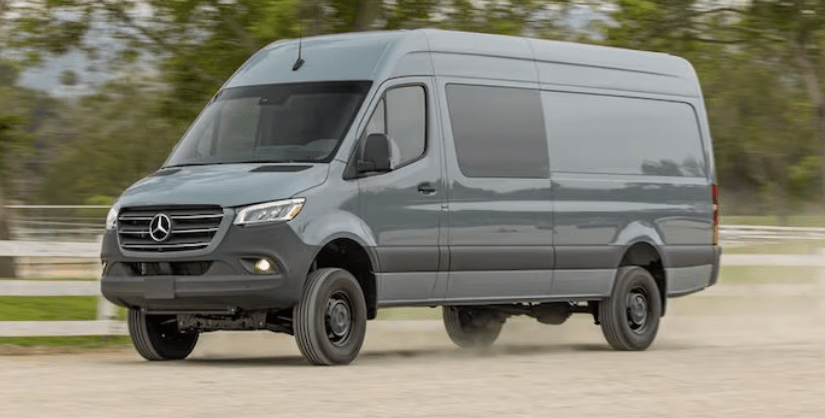
- Mercedes-Benz Sprinter
- Why It’s Great: The Sprinter is the gold standard for van life due to its spacious interior, reliability, and extensive customization options. High-roof models offer standing room (up to 6’3”), and it’s available in multiple wheelbase lengths. Diesel engines ensure longevity, and 4WD options handle off-road adventures.
- Key Features: Large cargo space, aftermarket upfitting kits, 2WD/4WD options, and strong resale value.
- Best For: Full-time van lifers or those wanting a premium, long-term investment.
- Drawbacks: Higher upfront cost ($35,000–$57,000 before conversion) and pricier maintenance.
- Example Conversion: Noovo Camper Vans offers luxury Sprinter builds with lithium power, solar panels, and flushable toilets.
- Ford Transit
- Why It’s Great: A versatile, budget-friendly alternative to the Sprinter, the Transit offers multiple roof heights, lengths, and AWD options. It’s easier to maintain, with parts widely available, and the 2025 Transit Trail edition is designed for camper conversions.
- Key Features: Gas or diesel engines, intelligent AWD, affordable repairs, and safety features like forward collision warning.
- Best For: Weekend warriors or those prioritizing affordability and maintenance ease.
- Drawbacks: Slightly less cargo space than Sprinter and fewer luxury customization options.
- Example Conversion: Outside Van’s upscale Transit builds showcase rugged, stylish designs.
- Ram ProMaster
- Why It’s Great: Known for its wide, boxy interior, the ProMaster maximizes design space for conversions. It’s the most affordable of the big three, with front-wheel drive and a lower starting price.
- Key Features: Spacious interior with 90-degree sidewalls, budget-friendly, and decent fuel efficiency.
- Best For: DIY converters on a budget or those prioritizing interior space.
- Drawbacks: No AWD/4WD options, lower ground clearance, and less refined handling.
- Example Conversion: Winnebago’s Travato, built on a ProMaster chassis, offers lithium power and twin beds.
- Volkswagen ID. Buzz (Upfitted by Peace Vans)
- Why It’s Great: A modern, electric take on the classic VW Bus, the ID. Buzz is ideal for eco-conscious van lifers. Peace Vans’ upfits add cozy interiors with Murphy beds and kitchenettes.
- Key Features: Electric powertrain, compact size, and nostalgic design with modern tech.
- Best For: Short trips or weekend getaways with a focus on sustainability.
- Drawbacks: Limited range for long trips and smaller interior compared to larger vans.
- Airstream Atlas
- Why It’s Great: For those seeking luxury, the Atlas (built on a Mercedes chassis) features a power slide-out section, a Murphy bed, and a large bathroom. It’s more like a compact RV than a traditional van.
- Key Features: Residential-style amenities, high-end kitchen, and plush interiors.
- Best For: Couples wanting RV-like comfort in a van package.
- Drawbacks: Expensive and less maneuverable due to size.

Key Considerations
- Budget: Sprinters are priciest ($35,000–$57,000 base, plus $30,000–$150,000 for conversions), while ProMasters and Transits start lower. DIY conversions can save costs.
- Size & Space: Sprinters offer the most cargo space, followed by Transit and ProMaster. Consider roof height for standing and wheelbase for amenities like showers.
- Lifestyle: Full-time van lifers need durable, spacious vans (Sprinter, Transit), while weekenders may prefer compact options (ID. Buzz).
- Off-Road Needs: 4WD Sprinters or Transit Trail editions handle rough terrain better than ProMasters.
- Amenities: Prioritize sleeping areas, kitchenettes, storage, and power sources (solar/lithium). Safety features like smoke detectors are crucial.

Additional Tips
- Rent Before Buying: Test van life with rentals from Outdoorsy to confirm your needs.
- Safety Enhancements: As you’ve previously mentioned interest in safety, consider installing a backup camera to reduce blind spots and improve navigation, especially in tight campgrounds.memory:2025-04-06
- Research Models: Check maintenance history and mileage (under 50,000 miles is ideal for longevity).
- Insurance: Expect $1,000–$2,000 annually in North America for camper van insurance.

- Efficient Charging: Renogy DC On-Board MPPT Charger Review
- The Best Offline Navigation Apps for Camping, RV Travel, and Off-Grid Adventures (2026 Guide)
- BLUETTI Portable Power Station Apex 300 Review (2025): The Ultimate Camper Van Solar & Alternator Charging Setup
- ⚡ How to install a 24v camper van electrical system (Complete Guide)
- Van Life Hack: Save Space with This Must-Have Overhead Storage Cabinet”




 Van Living 101
Leave a Reply