
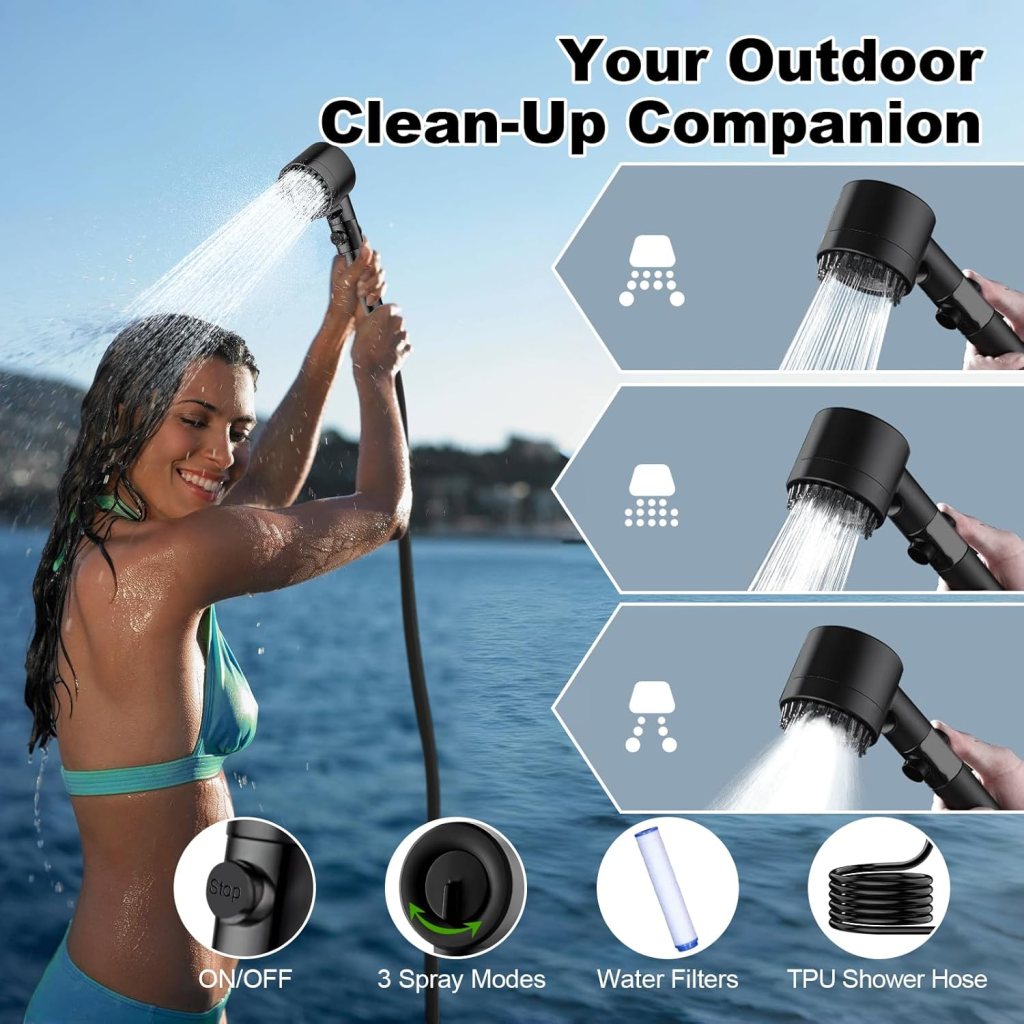
Portable Showers for Off-Grid Camping and Van Life: Hand Pump, USB Pump, and Solar Options

Camper van travels and off-grid camping are synonymous with freedom, adventure, and embracing the great outdoors. However, long days of hiking, biking, or exploring can leave you feeling grimy and in need of a refresh. A portable shower is a game-changer for van lifers and campers, transforming your vehicle or campsite into a mobile oasis. Whether you’re living full-time in a van or enjoying a weekend camping trip, portable showers provide the convenience of staying clean without relying on campground facilities. In this article, we’ll explore three popular types of portable showers—hand pump, USB pump, and solar-powered—and how to use them effectively during your off-grid adventures.
Why a Portable Shower Matters for Off-Grid Camping and Van Life
Living off-grid means embracing a minimalist lifestyle, but it doesn’t mean sacrificing hygiene. A portable shower offers numerous benefits for van lifers and campers:
- Convenience: Shower anywhere, anytime, without needing to find a campground or public facility.
- Comfort: Stay clean and refreshed, which boosts morale and makes long trips more enjoyable.
- Hygiene: Regular cleaning prevents skin irritations and keeps your living space fresh.
- Sustainability: Portable showers use minimal water, making them eco-friendly for off-grid setups.
- Versatility: They’re lightweight, compact, and easy to store in a camper van or backpack.
With options like hand pump, USB pump, and solar showers, you can choose the system that best fits your travel style, budget, and setup. Let’s dive into each type, how they work, and their pros and cons for off-grid camping and van life.
1. Hand Pump Portable Showers
How They Work
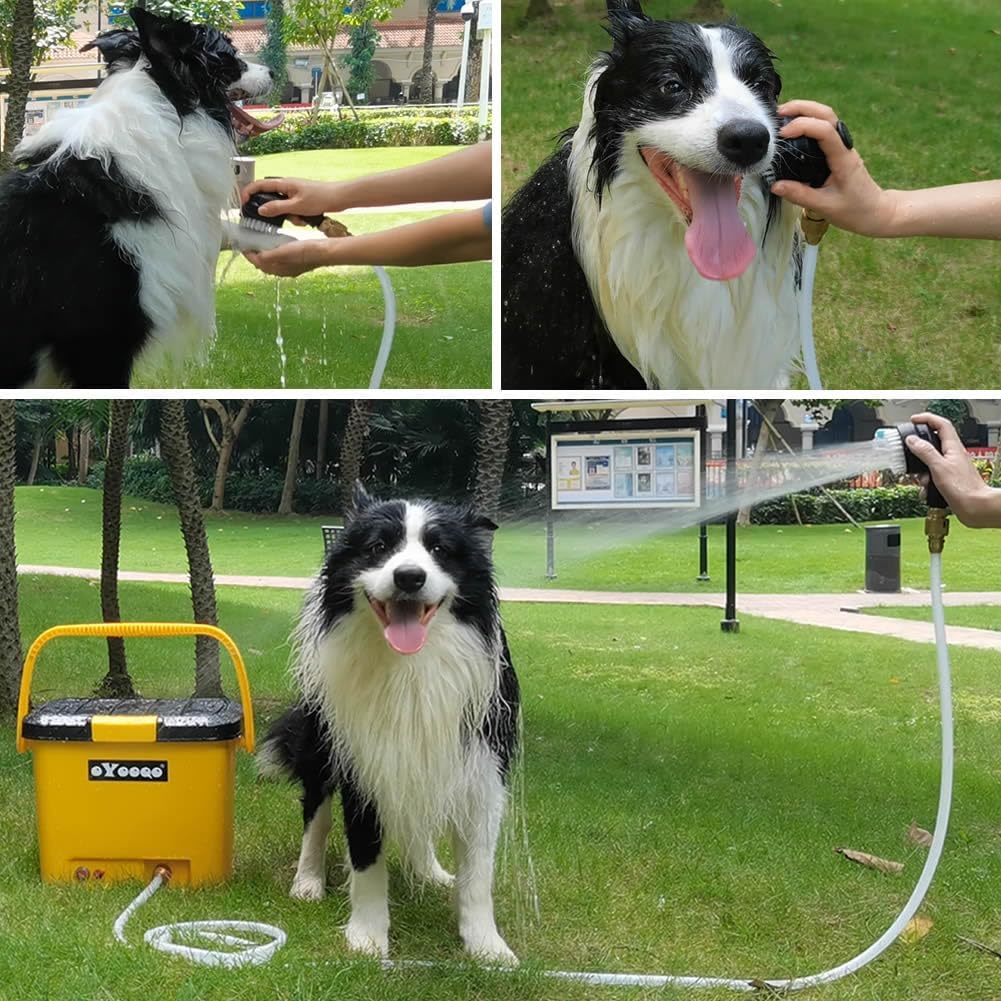
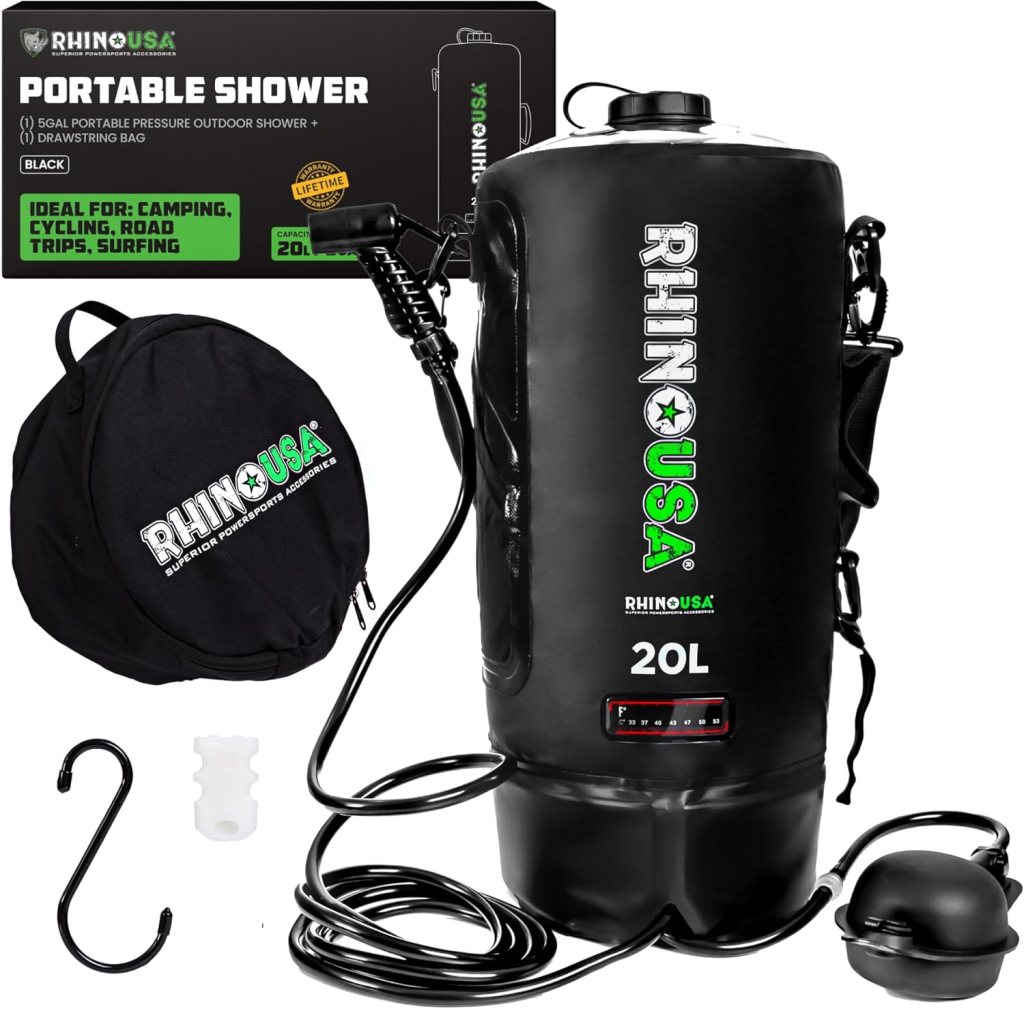
Hand pump showers are simple, manual devices that rely on human power to pressurize water. Typically, they consist of a water reservoir (like a collapsible bucket or bag), a hose, a nozzle, and a pump mechanism. You fill the reservoir with water, use the hand or foot pump to build pressure, and then spray water through the nozzle. Some models allow you to heat water separately (e.g., on a camp stove) for a warm shower.
Using a Hand Pump Shower Off-Grid
- Setup: Fill the reservoir with water from a stream, lake, or your van’s water tank. If you want a warm shower, heat the water first and test the temperature to avoid burns.
- Positioning: Hang the reservoir on a tree branch, van roof rack, or portable shower stand. Ensure the nozzle is at a comfortable height.
- Pumping: Use the hand or foot pump to pressurize the system. This may require continuous pumping during the shower, depending on the model.
- Showering: Open the nozzle to release water. Conserve water by turning it off while soaping up.
- Cleanup: Drain and dry the reservoir and hose to prevent mold or mildew.
Pros
- No Power Needed: Ideal for remote locations with no access to electricity or solar power.
- Affordable: Hand pump showers are typically the least expensive option, with prices ranging from $15 to $50.
- Lightweight: Most models are compact and easy to pack, weighing 1–3 pounds.
- Durable: Simple designs with fewer components mean less chance of mechanical failure.
Cons
- Manual Effort: Pumping can be tiring, especially for longer showers or if you’re sharing with others.
- Inconsistent Pressure: Water flow depends on your pumping effort, which may not feel as luxurious as a traditional shower.
- Cold Water: Unless you heat water separately, you’re limited to the temperature of your water source.
Best For
Hand pump showers are perfect for budget-conscious campers or those venturing into remote areas without reliable power sources. They’re also great for short trips where simplicity and portability are priorities.
Example Scenario
Imagine you’re boondocking in a national forest with no access to electricity. After a sweaty hike, you fill your hand pump shower with water from a nearby stream, heat it on your camp stove, and hang it from a tree. A quick pump and a 2-minute shower later, you’re clean, refreshed, and ready to relax by the campfire.
2. USB Pump Portable Showers

How They Work
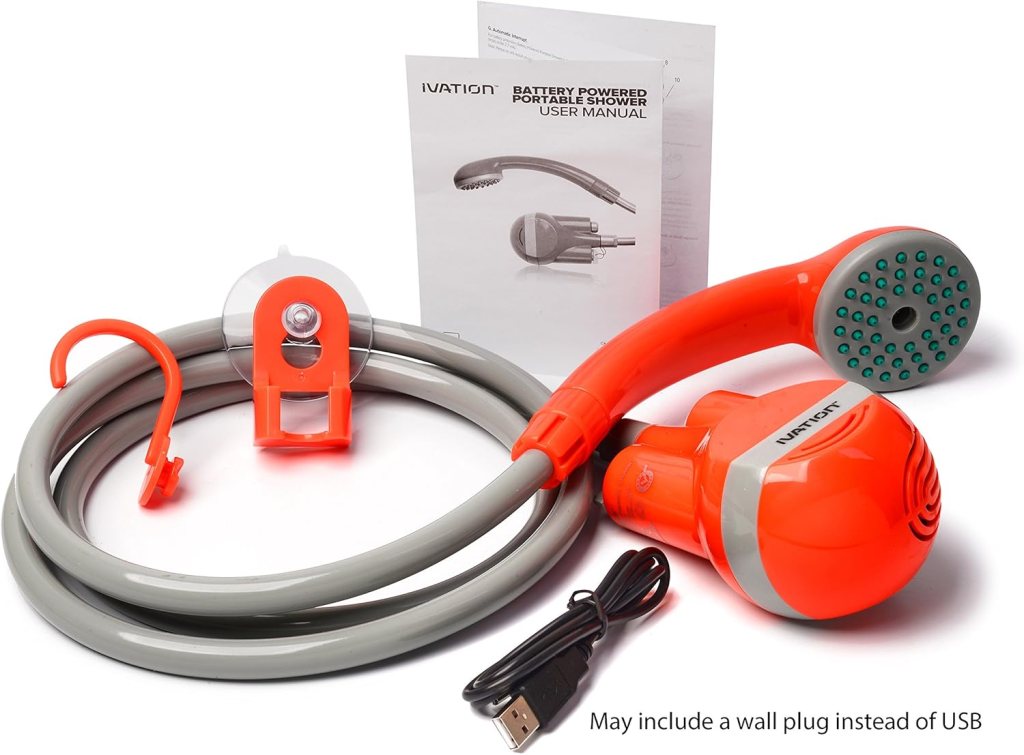
USB pump showers are battery-powered devices that use a small electric pump to draw water from a reservoir and deliver it through a hose and nozzle. The pump is typically rechargeable via USB, making it compatible with portable power banks, solar chargers, or your van’s electrical system. These showers offer a more consistent water flow compared to hand pumps and require less physical effort.
Using a USB Pump Shower Off-Grid
- Charge the Pump: Ensure the pump is fully charged using a USB power bank, solar panel, or your van’s battery system.
- Setup: Fill a bucket or collapsible reservoir with water. Submerge the pump in the water, ensuring the hose and nozzle are connected.
- Positioning: Place the reservoir on the ground or elevate it slightly. The pump provides enough pressure to deliver water without needing to hang the reservoir high.
- Showering: Turn on the pump and adjust the nozzle for your desired spray. Conserve water by pausing the pump while lathering.
- Storage: Rinse and dry the pump, hose, and nozzle. Store them in a dry bag to prevent damage.

Pros
- Ease of Use: No manual pumping required, providing a more shower-like experience.
- Consistent Pressure: Electric pumps deliver steady water flow, improving comfort.
- Versatile Charging: USB compatibility makes it easy to recharge using portable power sources.
- Portable: Lightweight (1–2 pounds) and compact, fitting easily in a camper van or backpack.
Cons
- Power Dependency: Requires a charged battery, which can be challenging in prolonged off-grid scenarios without solar or power banks.
- Higher Cost: Prices range from $30 to $100, depending on battery life and build quality.
- Maintenance: Pumps and batteries may wear out over time and require replacement.
Best For
USB pump showers are ideal for van lifers with access to portable power sources, such as solar panels or power banks. They’re great for those who prioritize convenience and a more consistent shower experience.
Example Scenario
You’re parked at a dispersed campsite with your camper van equipped with a small solar panel. After a day of mountain biking, you plug your USB pump into a power bank, drop it into a bucket of warm water heated by the sun, and enjoy a steady, refreshing shower right outside your van.

3. Solar Portable Camp Showers
How They Work
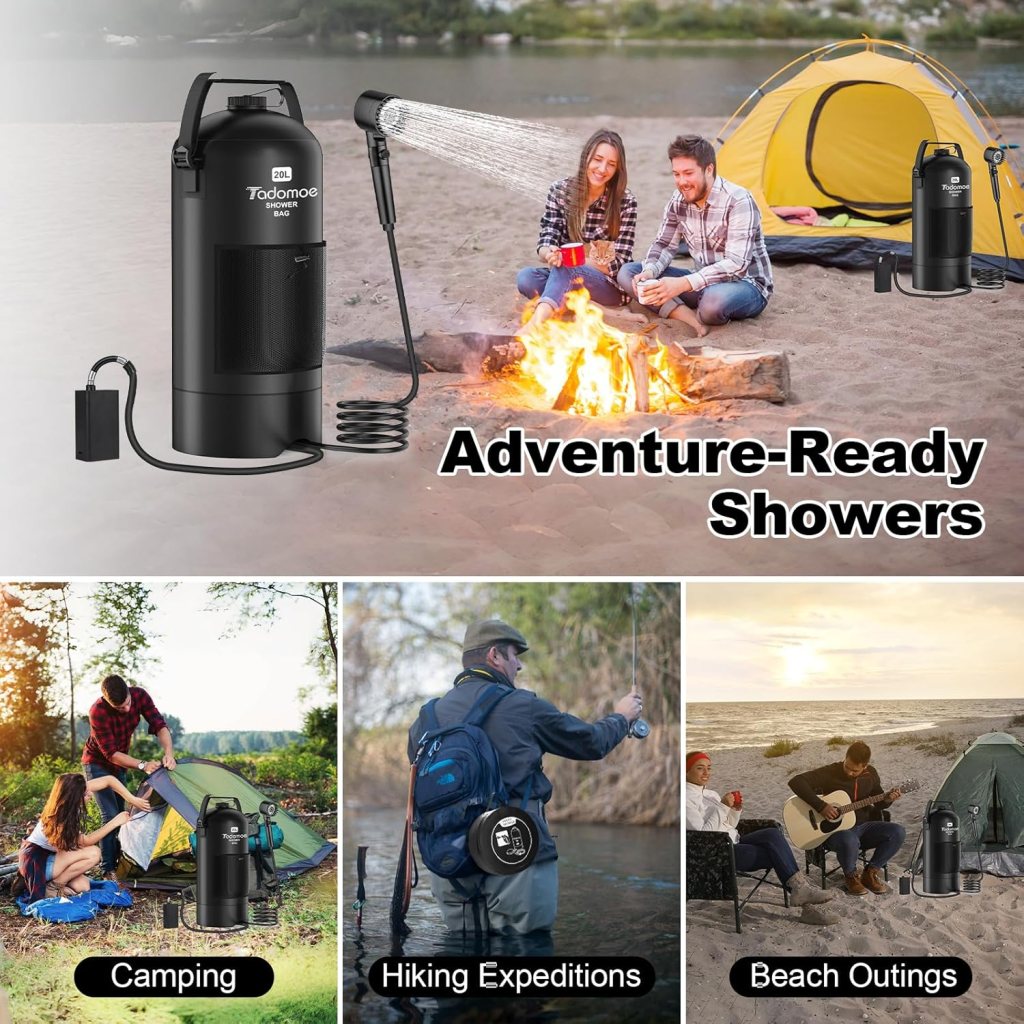
Solar showers are the simplest and most eco-friendly option, relying on the sun to heat water stored in a black or dark-colored PVC bag. The bag absorbs sunlight, warming the water inside, and uses gravity to deliver water through a hose and nozzle. Capacities typically range from 2.5 to 5 gallons, enough for one or two quick showers.
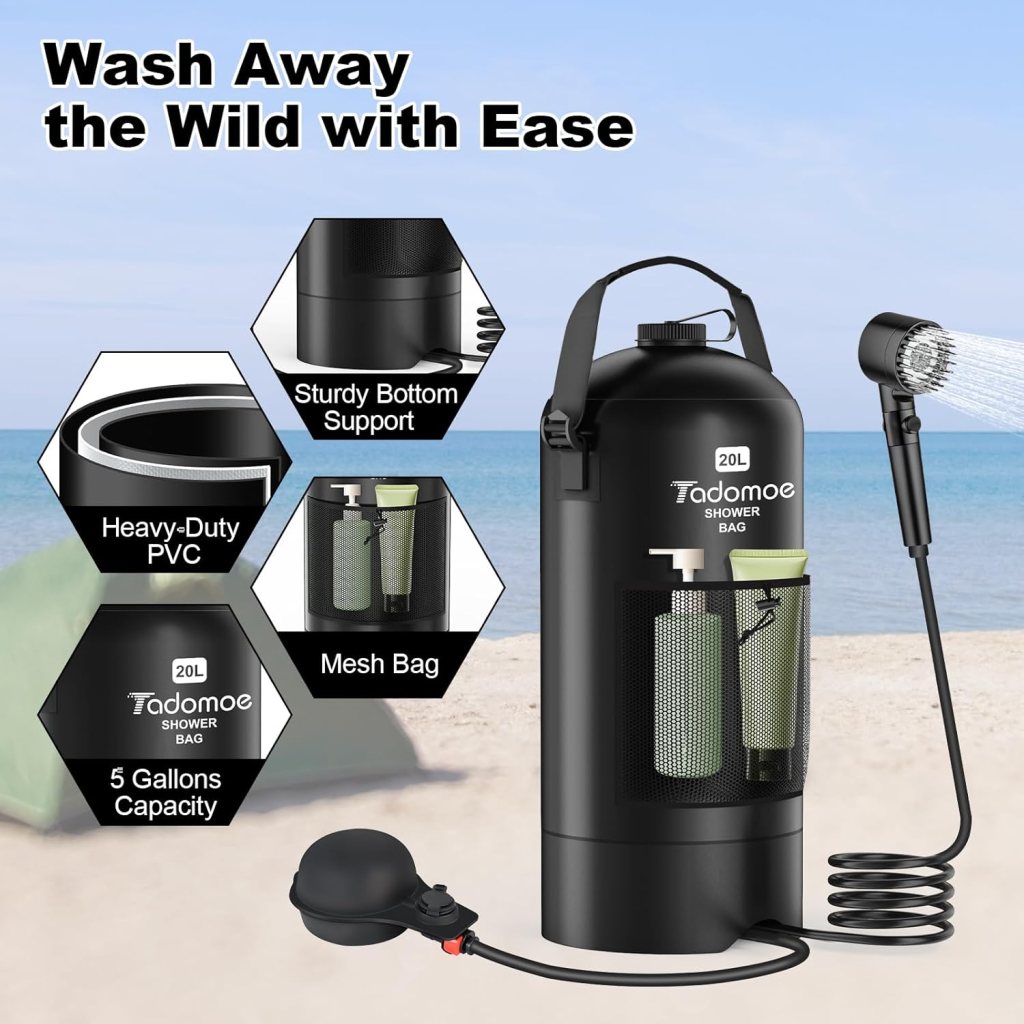

Using a Solar Shower Off-Grid
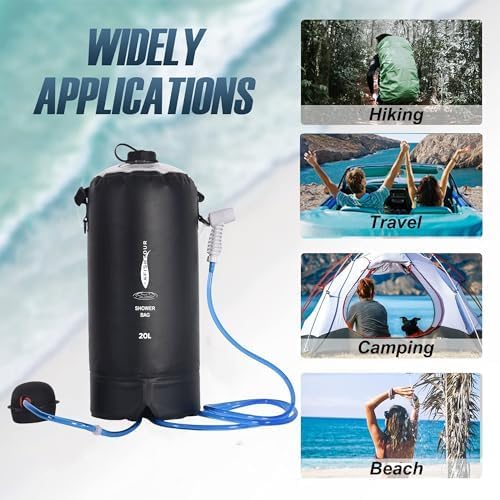
- Fill the Bag: Fill the solar shower bag with water from a safe source. Leave some air inside to allow for expansion as the water heats.
- Heat the Water: Place the bag in direct sunlight, ideally on a reflective surface like your van’s roof or a rock. Depending on sunlight intensity, it takes 2–4 hours to heat water to a comfortable temperature (90–110°F).
- Setup: Hang the bag from a tree, your van’s roof rack, or a portable shower stand. Ensure the nozzle is at a suitable height.
- Showering: Open the nozzle to release water. Use short bursts to conserve water while soaping up.
- Storage: Empty any remaining water, dry the bag thoroughly, and fold it for storage to prevent mold.


Camping water Tank with pump

Pros
- Eco-Friendly: Uses solar energy, requiring no batteries or fuel.
- Affordable: Prices range from $10 to $40, making them accessible for all campers.
- Simple Design: No moving parts, reducing the risk of breakage.
- Warm Water: Provides a heated shower without additional equipment in sunny conditions.
Cons
- Weather Dependent: Requires strong sunlight to heat water, which can be unreliable in cloudy or cold conditions.
- Gravity-Based: Water pressure is low and depends on the bag’s height, which may feel less satisfying.
- Bulkier: Larger bags (5 gallons) can be cumbersome to store in a small van.


Best For
Solar showers are perfect for campers in sunny climates who want a low-cost, low-maintenance solution. They’re also great for environmentally conscious travelers who prioritize sustainability.
Example Scenario
You’re camping in the desert, where sunshine is abundant. You fill your 5-gallon solar shower bag in the morning and leave it on your van’s roof. By afternoon, the water is pleasantly warm. You hang the bag from a portable shower stand, set up a privacy tent, and enjoy a gravity-fed shower under the open sky.

Tips for Using Portable Showers in Off-Grid Camping and Van Life
Regardless of the type of portable shower you choose, these tips will enhance your off-grid shower experience:
- Conserve Water: Off-grid water supplies are limited, so take “navy showers” by wetting down, turning off the water, soaping up, and rinsing quickly. A 2–3-minute shower uses about 1–2 gallons of water.
- Use Biodegradable Soap: Protect the environment by using biodegradable, eco-friendly soap and shampoo. Brands like Dr. Bronner’s are popular among van lifers.
- Set Up a Privacy Area: Use a pop-up shower tent, tarp, or your van’s awning to create a private shower space. This is especially important in crowded campsites.
- Manage Wastewater: Shower over a tarp or portable shower mat to collect gray water, then dispose of it properly according to local regulations (e.g., at a designated dump station).
- Combine Systems: For ultimate flexibility, pair a solar shower with a USB pump to combine warm water with consistent pressure.
- Test Water Sources: If using natural water sources like streams, filter or purify the water to remove contaminants before showering.
- Pack a Shower Caddy: Keep your soap, shampoo, and towel organized in a compact caddy for easy access.

Choosing the Right Portable Shower for Your Needs
The best portable shower depends on your travel style, budget, and off-grid setup:
- Budget Travelers: Opt for a hand pump or solar shower for affordability and simplicity.
- Tech-Savvy Van Lifers: Choose a USB pump shower if you have reliable access to power and want a more consistent flow.
- Eco-Conscious Campers: Go for a solar shower to minimize your environmental impact.
- Frequent Boondockers: Consider a hybrid setup (e.g., solar bag with a USB pump) for versatility in varying conditions.
Conclusion
A portable shower is a small investment that delivers big rewards for off-grid camping and van life. Whether you choose the manual simplicity of a hand pump, the convenience of a USB pump, or the eco-friendly warmth of a solar shower, you’ll enjoy the comfort and confidence that comes with staying clean on the road. Each system has its strengths, so pick the one that aligns with your adventure style and start transforming your camper van or campsite into a true home away from home. With a portable shower in tow, you’re ready to embrace the dirt of the journey and wash it away at the end of the day.

Portable water tank with pump and hose
Or you can spend the money and install your own hot water shower in your sprinter van.


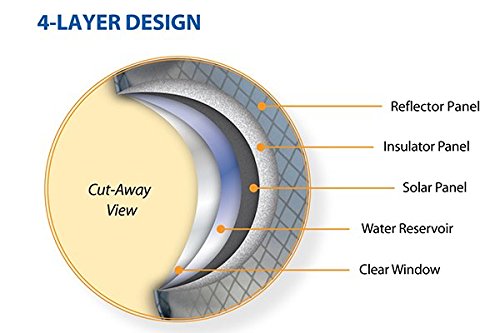
Advanced Elements 5 Gallon Summer Shower / Solar Shower
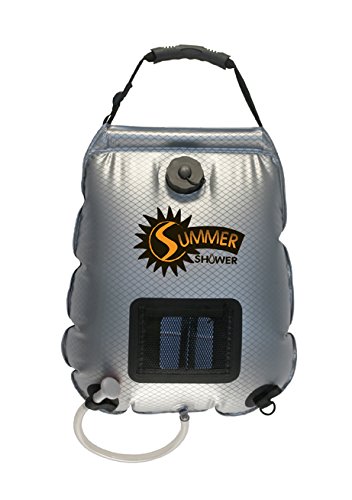
- 5-gallon outdoor shower powered by solar technology
- 4-ply construction with reflector panel and insulator panel
- Easy-to-use on/off showerhead and extra-large filling valve
- Side pocket for soap and shampoo; water temperature gauge
- Velcro straps for wash cloths; weighs 1 pounds 4 ounces


Pop Up Privacy Tent – Instant Portable Outdoor Shower Tent



- How to Shower in a Van: 3 Simple Methods That Actually Work
- Efficient Charging: Renogy DC On-Board MPPT Charger Review
- The Best Offline Navigation Apps for Camping, RV Travel, and Off-Grid Adventures (2026 Guide)
- BLUETTI Portable Power Station Apex 300 Review (2025): The Ultimate Camper Van Solar & Alternator Charging Setup
- ⚡ How to install a 24v camper van electrical system (Complete Guide)
BACK TO HOME PAGE
#Projectvanlife #Vanlifers #Vanlifeexplorers #Vanlifemovement #Camperlife #Vanlifeproject #Vanlifedreams #Vanlifeadventures #Vanlifecommunity #Sprintervanlife #vancamper #Campervans #Campervanliving #Sprintervanconversion #Sprintervan #Vanliferevolution #Vanlifememories #Vanlifegirls #campervan #vancamping #vancamper #overlanding #overlander #sprinter #sprintervan #vanliving #converionsvan #vanlifediaries #vanlifemovement #vanlifeideas #rvlivingfulltime #vanbuild #vanlife #vanlifediaries #vanlifers #vanlifeideas #projectvanlife #vanconversion #nomad #vanlifeexplorers #vanlifestyle #homeonwheels #vanlifedreams #campervanconversion #minimalism #minimalist #vandweller #camper #vantravel #nomadic #camperconversion #vancrush #vanlifeproject #campervanlife #camperlifestyle #vanconversions #vanlifeadventures #camperlife #mercedessprinter #tinyliving #sprintervanlife #vanlifesociety #realvanlife #adventuremobile #rving #rvlife #vanspace #sprintercampervan #sprintercampervans #sprintercampervanconversions #mercedescampervan #sprintervancamper #Truckcamper



 Van Living 101
Leave a Reply